
Predicting.
I’ve been trying to set up some automations this week. Simple things, really—filtering emails, booking meetings, chasing tasks. But I’ve realised: my brain isn’t wired like this. I’ve not got very far.
I’m essentially trying to replace my old assistant, Pippa, with AI. But AI doesn’t think. It predicts.
That’s the bit I keep forgetting. Automations don’t understand what you want—they just follow what you tell them might happen. You’re forced to second-guess every possible outcome and set up rules to follow each one. A branching mess of logic.
It’s exhausting. Thinking is easier.
I’m writing this with intention. With a point. I’m using learned rules—grammar, syntax, tone. But AI? It’s just predicting. That’s all ChatGPT does. It calculates the next most probable word based on all the data it’s seen. And sometimes it feels like magic. But it doesn’t understand a bloody word it writes!
Maybe that doesn’t matter. Maybe it’s the reader who gives the words meaning.
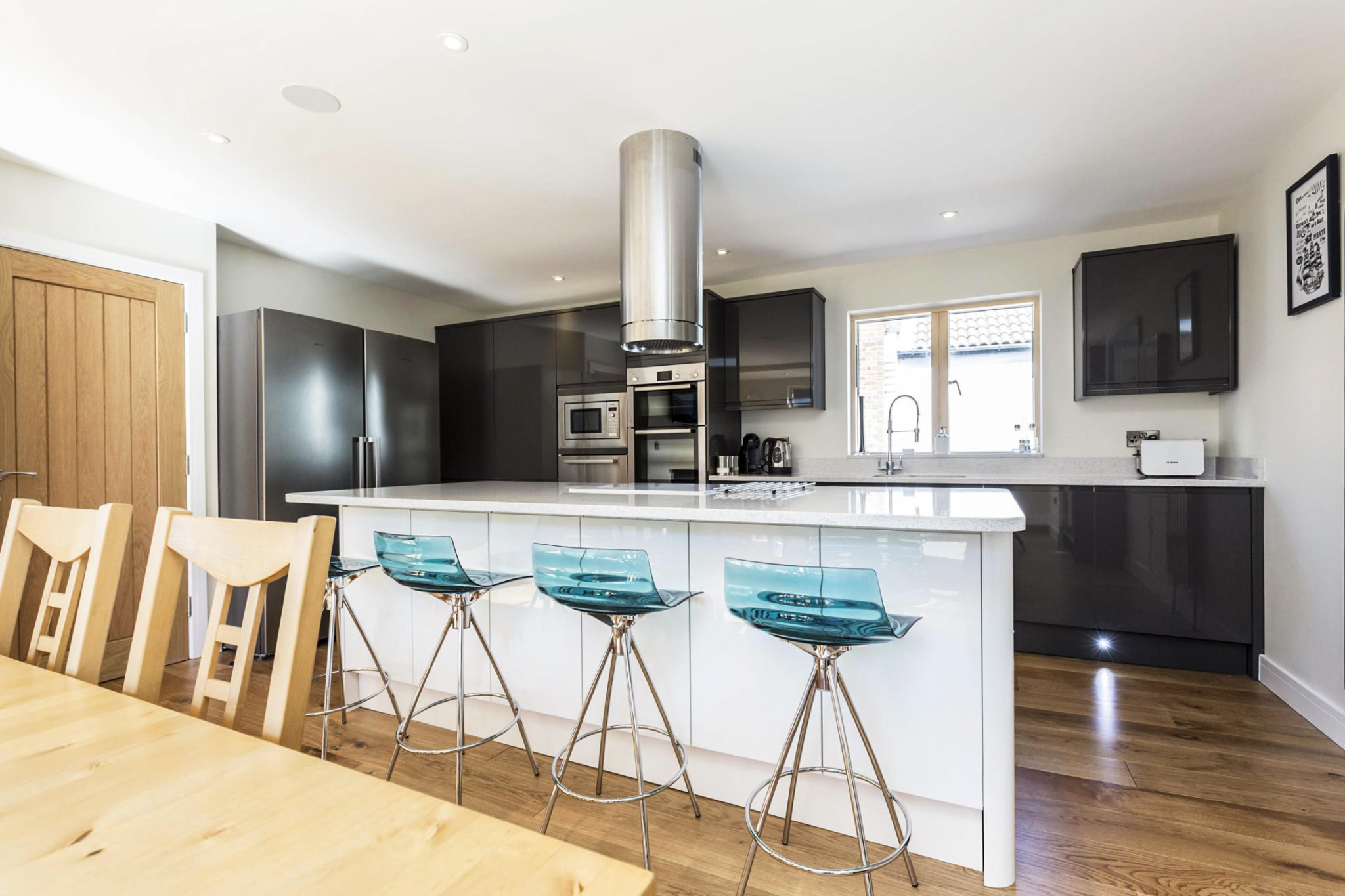
It’s the same with AI-generated art. Like the illustration above. The machine doesn’t care. We project meaning onto it.
But here’s the deeper worry: if AI will soon do most jobs better, what happens to us?
What happens in a world where predictable outcomes are preferred? Where data about your behaviour is used to forecast your future? And not just forecast, but determine.
Prediction stops being a guess. It becomes a sentence.
We’ve seen it already in things like insurance premiums—opaque systems using opaque data to shape real-world consequences. Now imagine your whole life run like that.
No wonder I started fantasising about 1994—a pause button on progress and growth. Don’t worry, we’d not be stuck with John Major forever; things would move on a little. It would just be a world that perhaps worked… well enough.
Of course, progress doesn’t work like that. Even nostalgia moves forward. Fashions change. Materials improve. We borrow from the past, but we always repackage it.
Still, it’s worth asking: what kind of future are we being predicted into? Who’s setting the parameters? And if the whole system’s trained on the past—on what already was—how much room does that leave for what could be?
You will always find me at carl@carlarchitect.co.uk

This Week’s Links:
Three ways to lay out a classic Victorian bedroom.
A nice salad for this hot weather.
A new colour palette of paints: 13 different whites.
Main Image credit: Replaced by AI. Still waiting on the tea. (ChatGPT)